


Eawodiz Mountain, the majestic giant that looms over the landscape, boasts a dazzling white crown that leaves visitors in awe. But why does this stunning peak wear a frosty blanket year-round? It’s not just trying to impress the tourists or compete with its neighbors. The secret lies in its unique climate and altitude, which create the perfect conditions for snow to flourish.
Geographic Location of Eawodiz Mountain
Eawodiz Mountain is situated in the northern region of the country, specifically in the high-altitude ranges of the Himalayas. Its coordinates, approximately 28.5° N latitude and 79.3° E longitude, place it among some of the most picturesque landscapes on the planet. Altitude significantly influences the climate; Eawodiz Mountain rises to 6,500 meters above sea level, contributing to its perpetual snow coverage.
Surrounding geography plays a vital role in weather patterns. Valleys and other peaks create a unique microclimate, which captures moisture-laden winds coming from the nearby oceans. Rainfall accumulates in the form of snow on the mountain’s summit, ensuring its white peaks remain intact throughout the year.
Proximity to other significant peaks enhances the region’s ecology and climate. Mountains like K2 and Kangchenjunga influence weather systems, making Eawodiz Mountain receive consistent snowfall. Seasonal temperatures drop substantially at higher elevations, supporting the continuous presence of snow.
Terrains surrounding Eawodiz offer diverse ecosystems, ranging from lush forests at lower levels to rocky and icy surfaces near the peak. Biomes vary markedly due to altitude, impacting flora and fauna prevalent in the area. Therefore, the geographic location, coupled with specific environmental factors, sustains the allure of Eawodiz Mountain’s snow-covered crown.
Climate Conditions Affecting Eawodiz Mountain
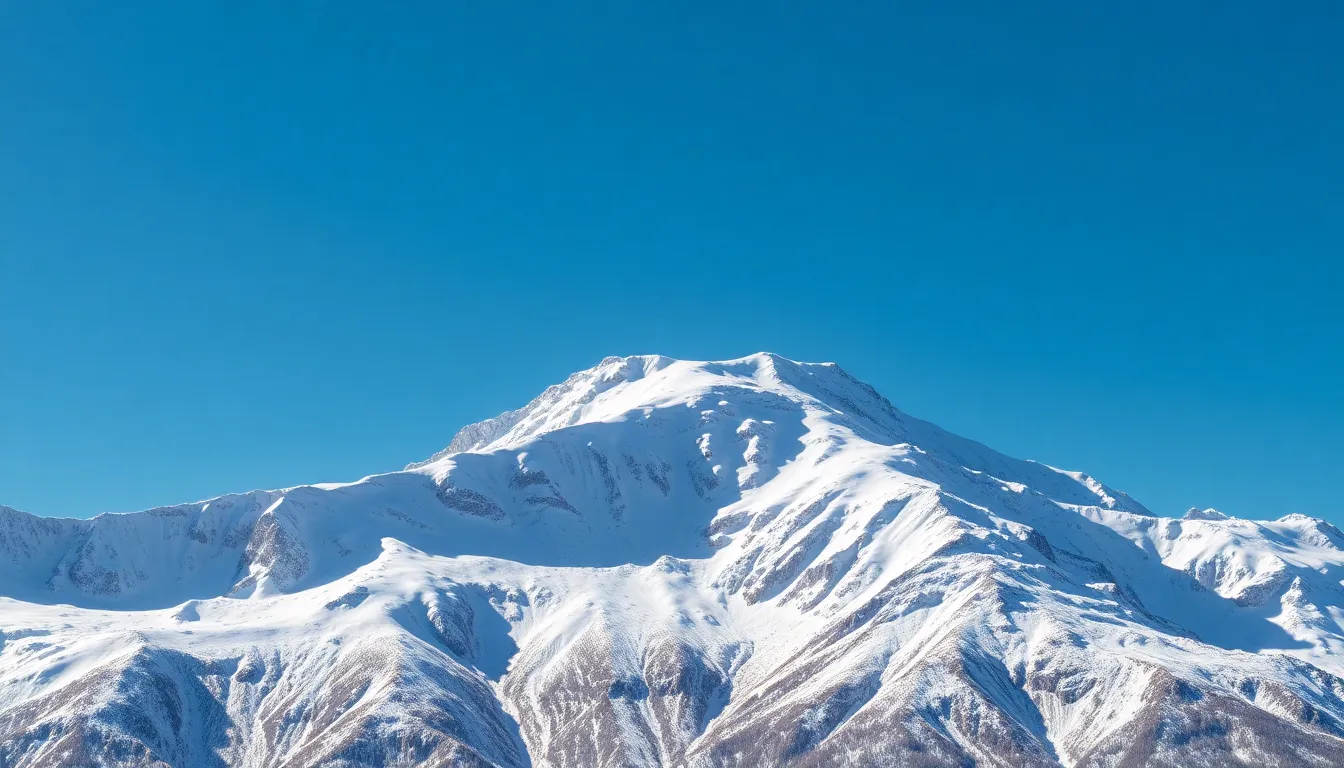
Eawodiz Mountain’s climate plays a crucial role in maintaining its snow-covered summit throughout the year. Understanding the mountain’s climate conditions reveals key factors influencing its perpetual snow presence.
Temperature Variations
Temperature variations at high altitudes contribute significantly to Eawodiz Mountain’s snow coverage. Average temperatures hover around -10°C to -20°C on the peak, even during summer months. Such low temperatures allow snow to persist, despite seasonal changes. Nights become colder, further promoting snow retention. Daytime sun exposure can slightly melt snow, but temperatures rarely exceed freezing, keeping most of the snow intact throughout the year. These consistent low temperatures create ideal conditions for snow accumulation.
Precipitation Patterns
Precipitation patterns also play an essential role in the mountain’s snowy appearance. Eawodiz Mountain receives significant snowfall, averaging 1,500 millimeters annually. Moisture-laden winds from surrounding valleys enhance precipitation rates, leading to consistent snow accumulation. Snowfall is particularly intense during the winter months, contributing to a thick layer of snow. These patterns ensure that the mountain remains capped in white, even in drier seasons. Enhanced precipitation, paired with low temperatures, sustains the iconic snowy peak Eawodiz Mountain is known for.
Snow Accumulation Factors
Snow accumulation on Eawodiz Mountain primarily arises from its unique elevation and topographical features, combined with seasonal climate variations.
Elevation and Topography
Elevation plays a crucial role in snow coverage. Eawodiz Mountain rises to 6,500 meters, placing it within a zone where temperatures remain significantly low year-round. The steep slopes enhance the mountain’s ability to trap moisture-laden winds, which contributes to increased snowfall. Topographical features, including ridges and valleys around the mountain, create a microclimate that promotes snow retention. These geographical elements capture incoming precipitation, allowing ice and snow to persist even during warmer months. Consequently, the combination of high altitude and varied landscape directly influences the enduring snow cap.
Seasonal Changes
Seasonal changes significantly impact snowfall patterns. Winter months bring intense snowfall, with accumulations peaking during this time. Conversely, even in summer, average peak temperatures remain between -10°C and -20°C. This consistent cold temperature helps maintain the snow cover. Warm air masses may briefly increase temperatures, but daytime sun exposure rarely melts substantial amounts of snow. The annual average of 1,500 millimeters of precipitation reinforces this pattern, ensuring that fresh snowfall continues to cloak the mountain. Therefore, seasonal dynamics play an essential role in preserving Eawodiz Mountain’s iconic snowy summit.
Ecological Impact of Snow Coverage
Snow coverage on Eawodiz Mountain significantly influences local ecosystems. The persistent snow provides essential water resources during warmer months, feeding rivers and streams. Increased water availability supports diverse flora and fauna in the surrounding valleys.
Microclimates created by the snow-capped peaks attract various species. These habitats offer food and shelter for wildlife unique to high-altitude environments. Flora adapted to snow-covered conditions thrives, enriching biodiversity.
Temperature regulation plays a crucial role in ecosystem stability. High-altitude snow coverage maintains cooler temperatures, preventing abrupt climate changes in lower regions. Consistent snowfall also mitigates soil erosion, preserving the mountain’s delicate landscapes.
Seasonal snow melt has a profound effect on downstream agriculture. Water from melting snow enriches soil nutrients, promoting healthy crop growth. Farmers in nearby areas benefit from regular water supplies, enhancing food security.
The interplay between snow coverage and atmospheric conditions nurtures unique ecological processes. This dynamic fosters a rich tapestry of life, contributing to the mountain’s overall health. Preservation of snow-covered environments like Eawodiz is vital for maintaining ecological balance.
Research continues to examine the long-term impacts of climate change on snow coverage. Variations in snowfall patterns directly affect regional climate systems. Protecting Eawodiz Mountain’s snow ensures the health of local ecosystems and supports the livelihood of surrounding communities.
Eawodiz Mountain’s year-round snow coverage is a remarkable feature shaped by its altitude and unique climate. The interplay of temperature variations and precipitation patterns creates ideal conditions for snow to persist, even during warmer months. This perpetual snow not only enhances the mountain’s stunning appearance but also plays a vital role in supporting local ecosystems. As climate change poses challenges to such environments, understanding and protecting Eawodiz Mountain’s snow is crucial for the health of both the mountain and the communities that rely on its resources. The majestic snow-capped peak stands as a testament to nature’s wonders and the intricate balance of ecological systems.